Similan Islands
A Tropical Paradise and World-Class Diving Destination

The Similan Islands National Park is made up of 11 islands scattered across the Andaman Sea, roughly 60 kilometers off the coast of Phang Nga Province. The archipelago lies northwest of Phuket and west of Khao Lak, making it accessible from both destinations.
Most visitors reach the islands by speedboat from Tap Lamu Pier, about 10 kilometers south of Khao Lak. The journey takes around 70 minutes in good weather, although liveaboard dive boats sometimes depart from Phuket and take several hours to reach the area.
The word Similan comes from the Malay language and simply means “nine,” referring to the original nine islands that formed the national park when it was first established in 1982. Two additional islands were later included to expand the protected marine area. Today, the park is considered one of Thailand’s most remarkable natural treasures and is internationally famous for its exceptional scuba diving and pristine tropical scenery.

World-Class Diving
The Similan Islands are widely regarded as one of the best diving destinations in Southeast Asia. Beneath the surface, divers encounter dramatic underwater landscapes featuring enormous granite boulders, swim-through passages, colorful coral reefs, and sandy channels teeming with marine life. Visibility often exceeds 20 to 30 meters during the high season, creating excellent conditions for underwater photography.
The marine ecosystem is incredibly rich. Divers regularly encounter reef fish, moray eels, lionfish, sea turtles, and countless species of coral. Some dive sites are occasionally visited by majestic whale sharks and manta rays, which have helped establish the Similan Islands as a dream destination for divers from around the world.
A wide range of dive tours operate in the area, catering to all experience levels. Beginners can participate in Discover Scuba Diving programs with professional instructors, while certified divers can explore famous sites such as Elephant Head Rock, Christmas Point, and Richelieu Rock, located slightly north of the main island group.


Islands, Beaches, and Scenic Landscapes
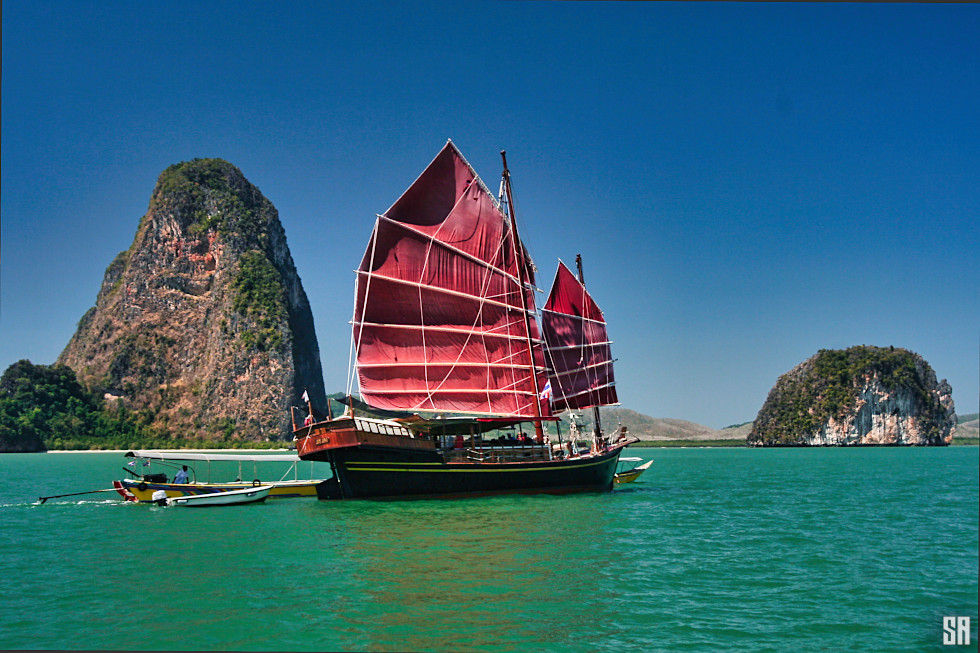
Although the Similans are best known for diving, the islands themselves are just as spectacular above the waterline. Most day trips visit Koh Similan (Island No. 8), which features one of the archipelago’s most iconic viewpoints: Sailboat Rock, a massive granite formation overlooking the turquoise waters of Donald Duck Bay. The short climb to the viewpoint offers one of the most photographed panoramas in southern Thailand.

Another commonly visited island is Koh Miang (Island No. 4), where the national park headquarters is located. Unlike the busier beaches of Phuket, the Similan Islands remain largely undeveloped, preserving a sense of wild tropical beauty. Dense tropical vegetation, white coral-sand beaches, and crystal-clear water create a setting that many visitors describe as the perfect tropical island paradise.

Staying Overnight
While many people visit the Similan Islands on a day trip from Khao Lak or Phuket, it is also possible to stay overnight inside the national park. On Koh Miang, visitors can rent simple bungalows or sleep in tents provided by the park authorities. Spending the night allows travelers to experience the islands after the day-trip boats have left, when the beaches become quiet and the atmosphere more peaceful.
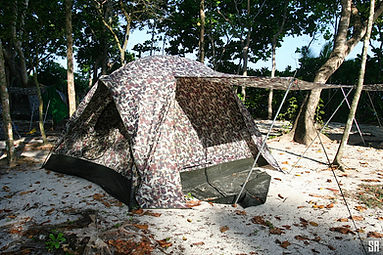
Serious divers often choose liveaboard diving cruises, which stay in the Similan area for several days and allow access to a wider variety of dive sites, including some located farther north.

Protecting a Fragile Ecosystem
Because of their growing popularity, the Similan Islands are carefully managed to protect their fragile marine environment. The national park is closed every year from mid-May to mid-October, during the southwest monsoon season. This closure allows coral reefs and wildlife to recover after the busy tourist season.
During the open months, the Thai government also strictly limits visitor numbers to 3,850 people per day. These measures are designed to preserve the natural beauty of the islands and ensure that future generations can continue to enjoy this extraordinary marine sanctuary.
For visitors staying in Phuket or Khao Lak, a trip to the Similan Islands offers a rare opportunity to experience one of Thailand’s most spectacular natural environments—where turquoise seas, pristine beaches, and vibrant underwater life come together in a truly unforgettable setting.
Last visit & photos: Similan Islands — 25 January 2007

Similan Islands Photo Gallery


Passionate about photography since the mid-2000s, I’ve spent years capturing the beauty of Phuket and southern Thailand — from beaches and islands to festivals and daily life. My work reflects a lasting love for the region and its ever-changing light.