
Phuket Island
From Trading Port to World-Class Destination

Phuket Island is Thailand’s largest island and, for many travelers, their first introduction to the country. Floating in the Andaman Sea on Thailand’s southwest coast, Phuket has long been a crossroads of cultures, trade routes, and travelers. Long before mass tourism, the island was already known far beyond Southeast Asia. Its early fame came from tin mining, which attracted Chinese, Malay, Indian, and European traders from the 16th century onward. These influences shaped Phuket’s architecture, food, and traditions, especially in what is now Phuket Old Town.
What truly transformed Phuket, however, was tourism. In the 1970s and 1980s, adventurous travelers began arriving in search of quiet beaches, coral reefs, and a slower island life. Patong Beach, once a sleepy fishing village, became the center of this early tourism boom.
Over the decades, Phuket evolved into a world-class destination, famous today for its beaches, luxury resorts, vibrant nightlife, wellness retreats, international dining scene, and easy access to some of Thailand’s most spectacular seascapes. Despite rapid development, Phuket has managed to retain a strong local identity, blending traditional Thai culture with an international, cosmopolitan atmosphere. Living here, you quickly learn that Phuket is not just one destination, but many islands in one.

Explore Our Latest Featured Pages


Phuket Top 10s & Topics


Phuket Town, often overlooked by first-time visitors, is the island’s administrative and cultural heart. Located on the southeast coast, it is where daily local life unfolds away from the beach resorts.
The most charming area is Phuket Old Town, known for its colorful Sino-Portuguese shophouses, narrow streets, and beautifully restored mansions that date back to the tin-mining era.
Streets such as Thalang, Dibuk, and Krabi are lined with cafés, art galleries, small museums, and traditional shops selling everything from fabrics to local sweets.
On Sundays, the Old Town comes alive with the Walking Street Market, where locals and visitors mingle over street food, music, and handmade crafts.
Beyond its historic core, Phuket City is also home to local markets, temples, government offices, and hospitals, making it a practical and authentic place to understand how Phuket really works beyond the postcard image.


Beaches are what draw most people to Phuket, and the island offers an impressive variety. On the west coast, Patong Beach is the most famous, known for its long stretch of sand, water sports, and energetic nightlife.
Just south of Patong, Karon and Kata Beaches offer a more relaxed atmosphere while still providing plenty of restaurants, hotels, and family-friendly options.
Further north, Kamala Beach has developed into a popular area for longer stays, combining a laid-back village feel with upscale resorts. Surin and Bang Tao beaches are associated with luxury beach clubs and high-end resorts, yet still offer quiet corners if you walk far enough.
On the southern end, Nai Harn Beach is a local favorite, prized for its natural setting and calm waters during the high season. Meanwhile, beaches such as Freedom Beach, Paradise Beach, and Banana remain relatively unspoiled and reward those willing to make the effort to reach them.
Living in Phuket teaches you that the “best” beach often depends on the season, the time of day, and what kind of experience you are looking for.
Not sure where to stay in Phuket? Take a look at our guide: Where to Stay in Phuket Island.


Beyond its beaches, Phuket has a wide range of attractions that reflect both its natural beauty and cultural depth. One of the island’s most visible landmarks is the Big Buddha, perched on Nakkerd Hill and offering panoramic views over the south of Phuket.
While currently subject to access restrictions depending on conditions, it remains a powerful symbol of the island. Nearby, Wat Chalong is Phuket’s most important Buddhist temple and a place where locals come to pray, make merit, and seek blessings.
For viewpoints, places like Karon Viewpoint, Promthep Cape, and Windmill Viewpoint provide unforgettable sunset scenes. Nature lovers can explore areas such as Khao Phra Thaeo National Park, home to Phuket’s last remaining rainforest and waterfalls like Bang Pae and Ton Sai.
Cultural attractions include museums in Old Town, traditional shrines, and the many Chinese temples that play a central role during festivals such as the Phuket Vegetarian Festival. These attractions reveal a side of Phuket that goes far beyond sunbathing and cocktails.


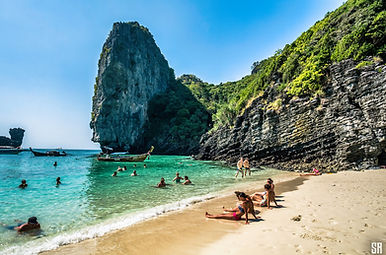
One of Phuket’s greatest advantages is its proximity to extraordinary nearby islands and natural wonders. Just a short boat ride away, the Phi Phi Islands are world-famous for their dramatic limestone cliffs, turquoise waters, and coral reefs. Maya Bay, despite periods of closure to protect its ecosystem, remains an iconic symbol of Thailand’s natural beauty.
To the northeast, part of Phang Nga Province, Phang Nga Bay offers a completely different landscape, with towering karst formations rising from calm, emerald-green waters. Highlights include James Bond Island, sea caves, hidden lagoons, and floating fishing villages such as Koh Panyee.
Closer to Phuket, islands like Koh Bon, Coral Island, Racha Yai, and Koh Khai are popular for snorkeling, diving, and day trips.
Living here, you realize that these excursions are not just tourist attractions but an integral part of the island lifestyle, especially for those who enjoy the sea.

Summary
What makes Phuket special is not just its attractions, but the rhythm of daily life and the contrasts you experience. Mornings can be quiet and peaceful, with local markets opening early and fishermen returning with their catch, while evenings can range from relaxed beachfront dinners to lively nightlife, depending on where you are.
The island’s food scene reflects its diversity, from humble roadside noodle shops and southern Thai curries to international fine dining. Festivals, weather patterns, and even traffic flows shape life here in ways that visitors only begin to notice after spending some time on the island.
For those planning a visit, understanding Phuket as a lived-in island rather than just a resort destination makes all the difference. Each area has its own character, each season its own mood, and each beach its own personality. Phuket rewards curiosity and patience, whether you are here for a short holiday or considering a longer stay.
Having lived on the island, you learn that Phuket’s real charm lies not only in its famous sights, but in the small, everyday moments that connect its past, present, and future into a place that continues to evolve while remaining unmistakably itself.


Stéphane Audiger - Photographer
Passionate about photography since the mid-2000s, I’ve spent years capturing the beauty of Phuket and southern Thailand — from beaches and islands to festivals and daily life. My work reflects a lasting love for the region and its ever-changing light.


